Om os
– museets historie, årsberetninger og bestyrelse.
Historien bag museet
Ideen om at etablere et museum for samtidskunst i Roskilde opstod midt i 1980’erne blandt en gruppe borgere, der ønskede at skabe en platform for tidens eksperimenterende kunst.
Interessen var opstået omkring det hedengangne Galleri Sct. Agnes i Roskilde, der op gennem 1980’erne havde vist især dansk eksperimenterende kunst. Aktiviteterne kulminerede med afholdelsen af fluxus-begivenheden Festival of Fantastics, der trak en lang række internationale kunstnere til Roskilde. (www.festivaloffantastics.com)
Etableringen af Museet for Samtidskunst blev støttet af Roskilde Kommune, som gjorde det muligt at åbne museet i 1991. Få år senere, i 1994, blev museet statsanerkendt og blev hermed Danmarks første museum for samtidskunst under museumsloven med særligt ansvar for de tidsbaserede og hybride kunstformer.
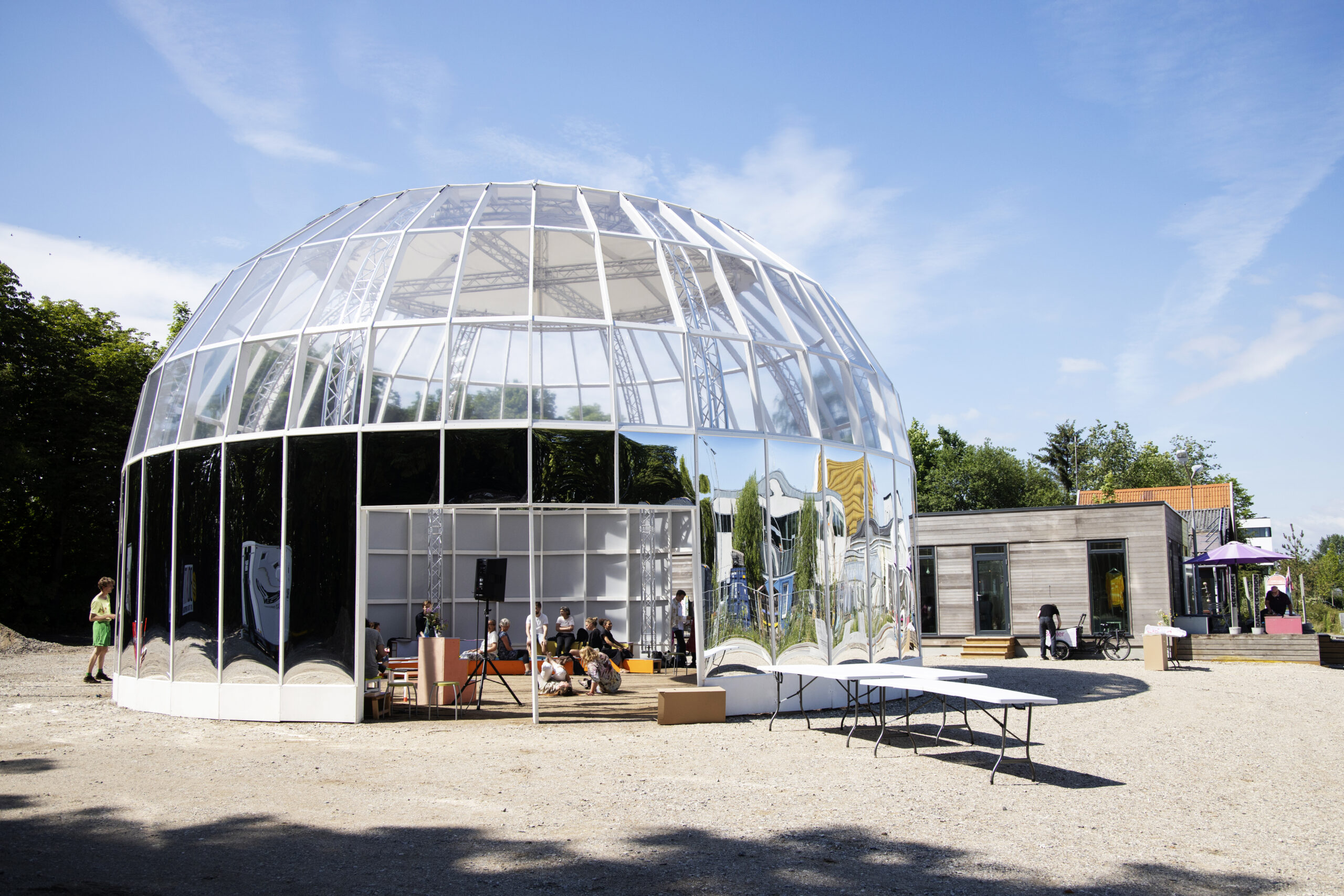
De første 30 år var museet placeret i Det Gule Palæ i Roskilde by, hvor samtidskunstens nyeste kunstformer blev vist i solo- og gruppeudstillinger. Sideløbende var museet til stede i byrummet med eksempelvis performance-festivalerne ACTS, Images 16-biennalen og lysfestoptoget i 2012, som er blevet en tradition til byens årlige Lysfest.
Museet i dag
I 2021 blev museet Danmarks første og eneste kunstmuseum uden en permanent bygning for bedre at kunne huse de hybride og flygtige kunstformater. Målsætningen er at skabe et tilgængeligt, engageret og foranderligt museum, der udforsker nye måder at formidle samtidskunsten på.
Museets kontor finder du her: Bagtæppet 10, Musicon, 4000 Roskilde.
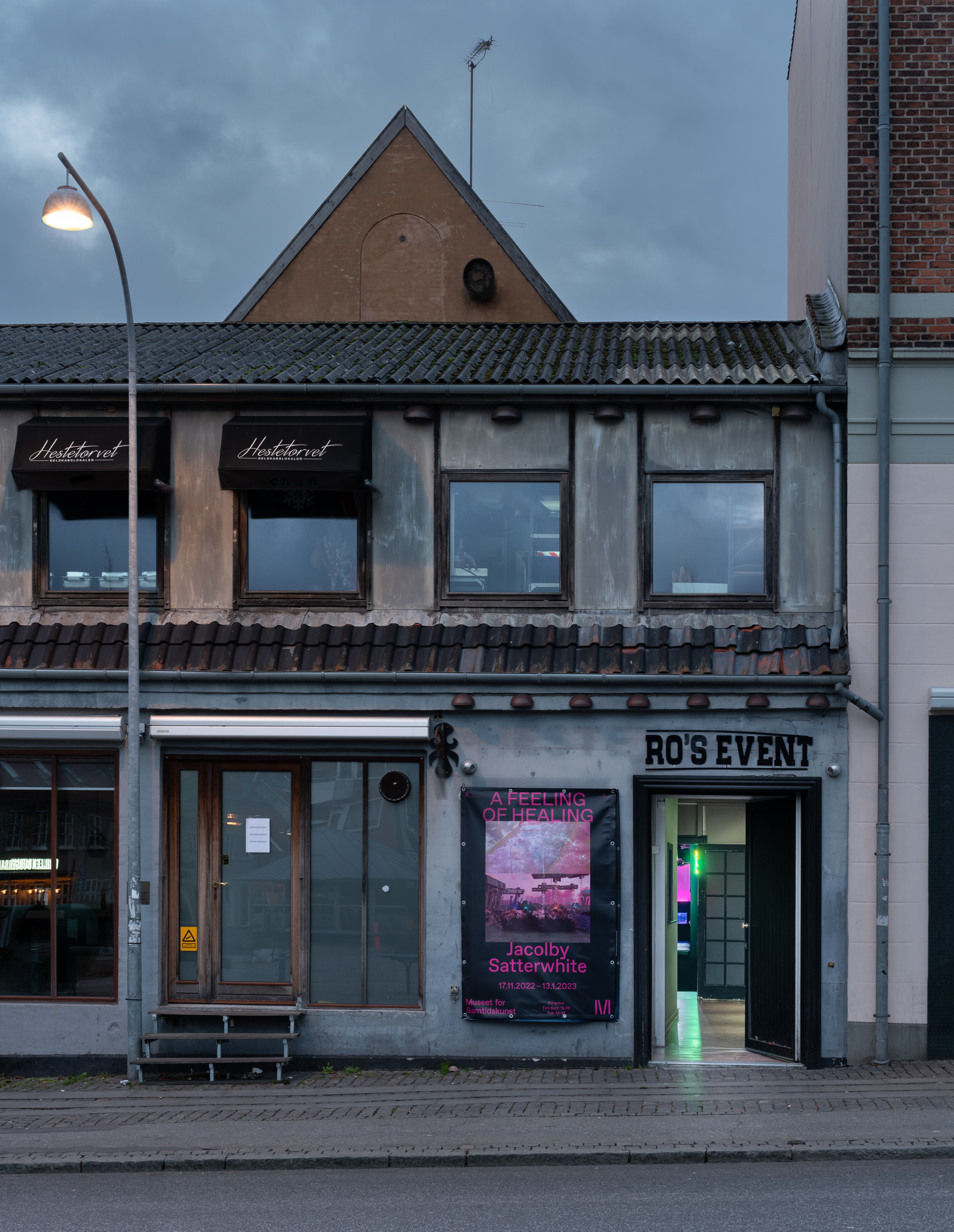
Foto: David Stjernholm, natklubben Ro’s event, hvor udstillingen A Feeling of Healing blev vist.
Bestyrelse
Kristine Kern
Bestyrelsesleder
Rektor for Det Fynske Kunstakademi
Honza Hoeck
Vicebestyrelsesleder
Billedkunstner og professor på Det Jyske Kunstakademi
Mikkel Bogh
Bestyrelsesmedlem
Professor, Københavns Universitet
Tidligere direktør på Statens Museum for Kunst
Signe Lopdrup
Direktør, Roskilde Festival
Filiz Sarah Thunø
Byrådsmedlem (A)
Ulrik Schmidt
Lektor, RUC
Morten Kroon
Tilforordnet, Partner,
Advokat (H), Kammeradvokaten/
Advokatfirmaet Poul Schmith
Christian Ulrich Lauersen
Tilforordnet, kultur- og idrætschef
Roskilde Kommune
